
RFK Jr., Folk Magic, and the Coon Dong Bone: A Love Charm Misunderstood
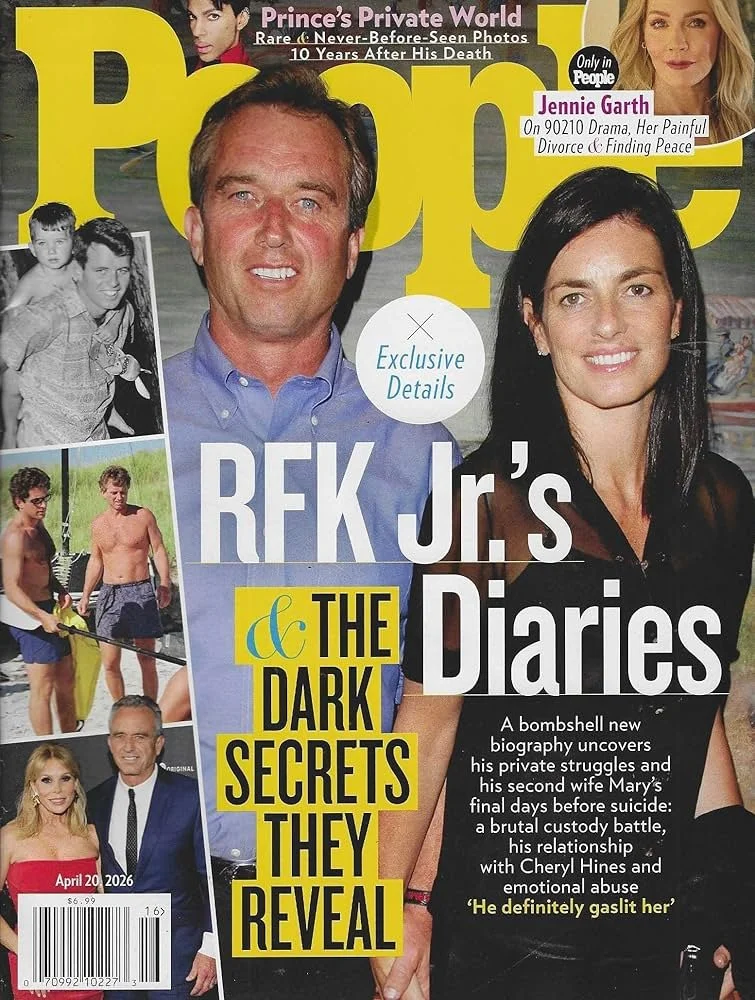
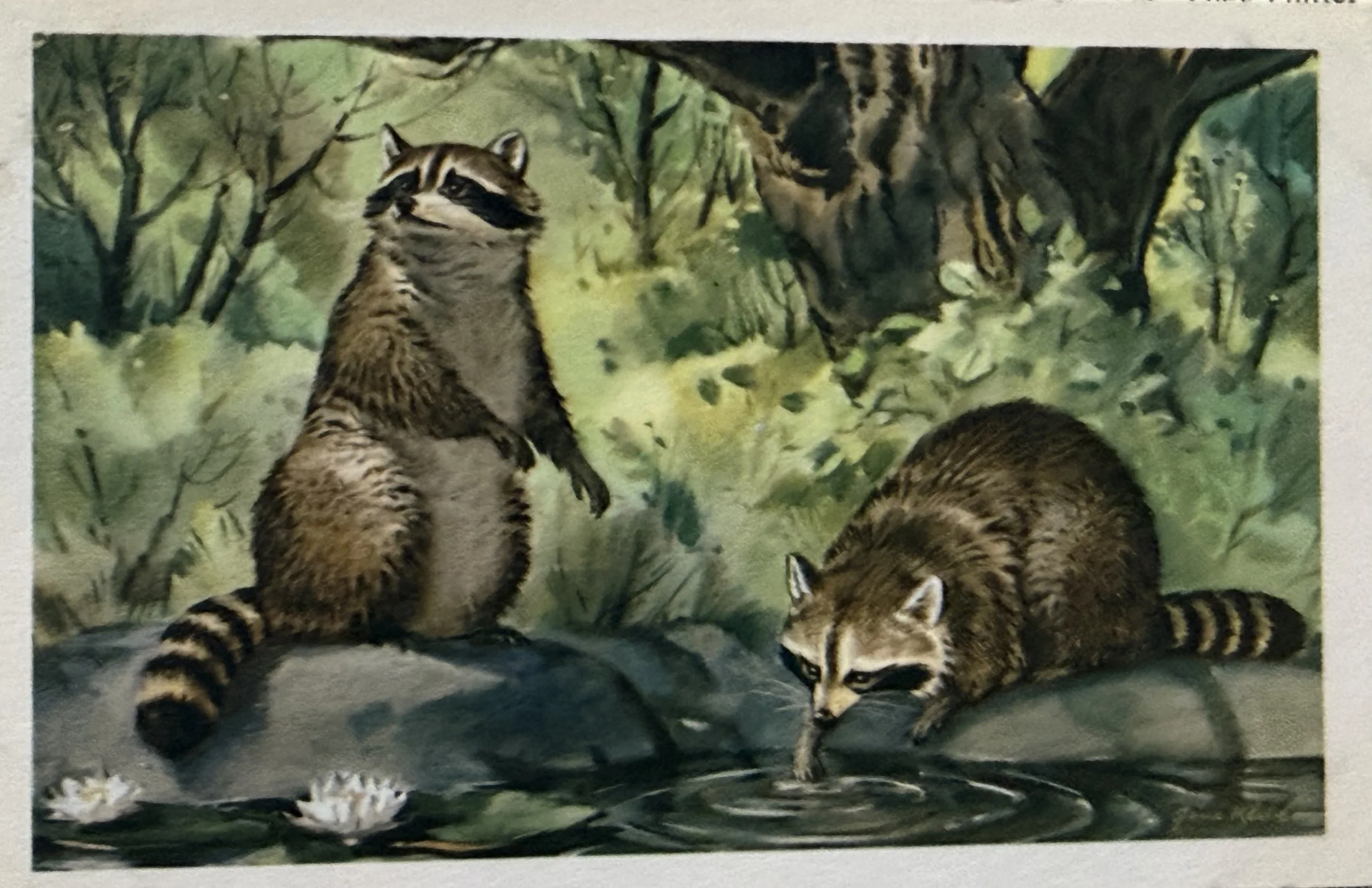
The House has observed, with great fascination, that the media have once again encountered an American folk magic practice and reported it as absurdity or eccentricity rather than what it may also be: cultural knowledge.
Readers may recall the House’s earlier post on the public misunderstanding of comments allegedly made by Clarence Thomas, when mainstream commentary managed to discuss vernacular symbolism without recognizing vernacular symbolism. We find ourselves there again.
Recent coverage of Robert F. Kennedy Jr. reported that he allegedly described cutting off a dead raccoon’s penis so that he could “study” it. The modern reaction has been predictable: confusion, snickering, and disgust. Yet to students of roadside America, this is less scandal than a familiar triangle of roadkill, romance, and American folkways.
MAHA: Make America Hoodoo Again?
For those who may not be aware, certain male animals have a bone called a baculum in their penis. The bone provides structural support during copulation, often in species with long or complex mating sessions.
In parts of Appalachia, the rural South, and within traditions adjacent to Hoodoo and folk-conjure practice, the raccoon baculum — commonly known as the “coon dong bone” — has long been carried as a charm of luck, attraction, virility, persuasive power, and romantic success. For this reason, it is also called the “love bone” or “Spanish bone.”
Why a love charm?
Folk magic often works through symbolism. The raccoon is clever, dexterous, nocturnal, and famously persistent. Its baculum, a literal bone associated with virility, became an obvious emblem of masculine potency, endurance, and sexual magnetism. Carried in a pocket, tucked beneath a mattress, hidden in a bedroom drawer or even used to stir a love potion, it was believed by some to draw lovers, strengthen desire, improve one’s chances in courtship, or give the bearer a little extra sway over wandering hearts.
In other words: before dating apps, the coon dong bone functioned as a sexual talisman — but only if the raccoon in question had met his maker in an honorable fashion. (In other words, don’t go around hunting raccoons to get their penis bones.)
So how do we know that RFK Jr., a Catholic from Massachusetts, was hip to this Appalachian tradition?
We don’t… but it stands to reason that he knew that there was something of interest inside that dead raccoon’s penis. Otherwise, why go through the trouble of cutting it off and bringing it home with you?
American journalism has a recurring habit of discovering vernacular objects only after they pass through the hands of politicians or celebrities, then treating them as isolated curiosities rather than pieces of living tradition. Mojo bags become oddities. Rootwork becomes superstition. Talismans become punchlines.
The coon dong bone belongs to that same family of objects: organic, charged, and easily misunderstood. Like many charms, its power may lie less in domination than in confidence. The carrier feels bolder. Speaks more sweetly. Stands a little straighter. Belief itself does much of the labor.
Some knowledge travels by bloodline. Some by paperback.
Readers of a certain vintage may remember the baculum’s appearance in JT LeRoy’s novel Sarah (2000), where truck-stop mysticism and Appalachian roadside lore briefly entered literary fashion. In the book, the raccoon penis bone is a central, recurring symbol worn as a protective amulet and a badge of status by the "lot lizards" (truck stop prostitutes). You could even buy an autographed baculum directly from JT LeRoy’s website.
Our own specimen from the House collection (pictured here) bears the elegant look common to talismans that have survived mockery, fashion, and time. It asks nothing of the viewer but curiosity.
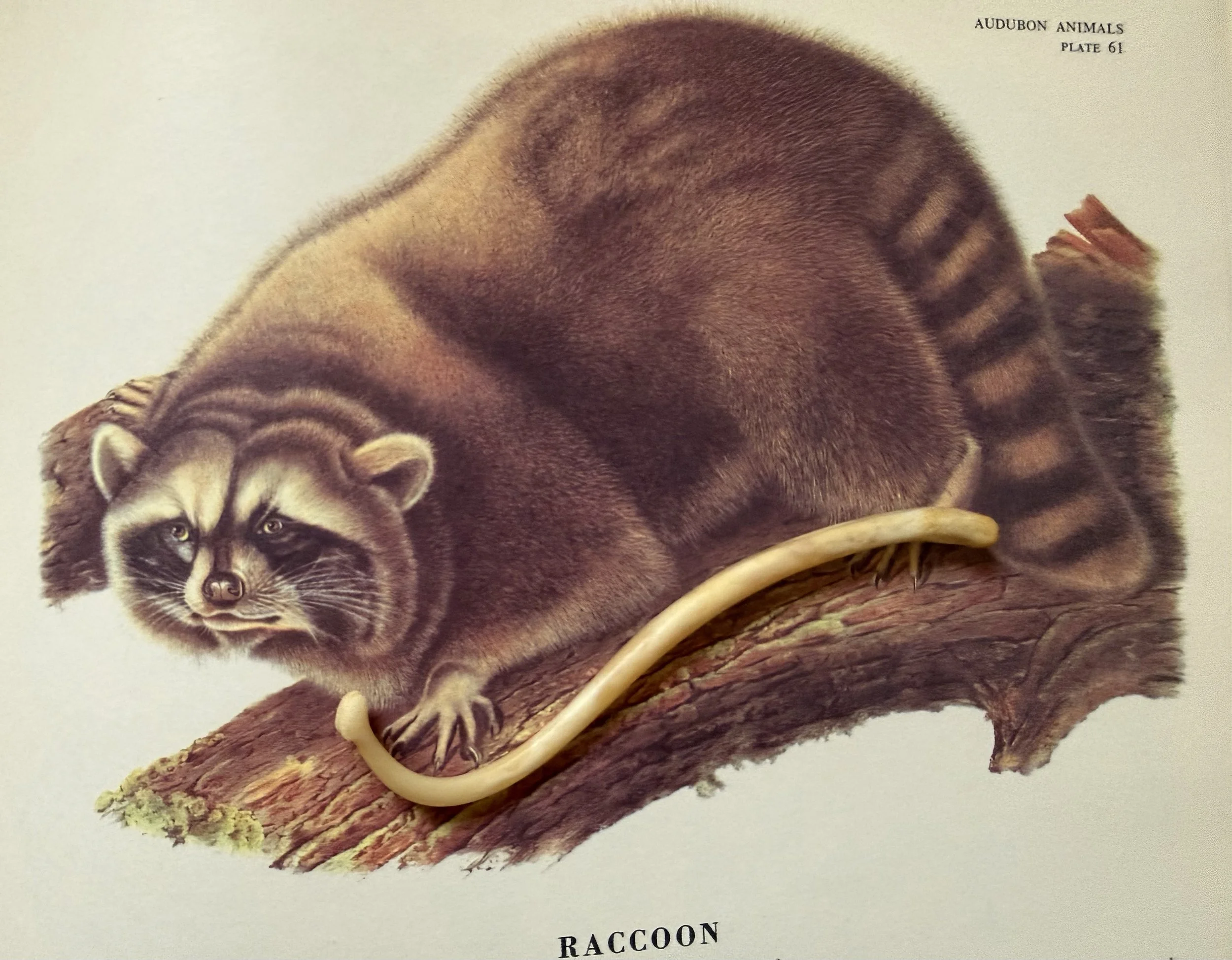
Baculum, or coon dong bone, displayed against Audubon Animals Plate 61, Raccoon; House of Good Fortune Collection
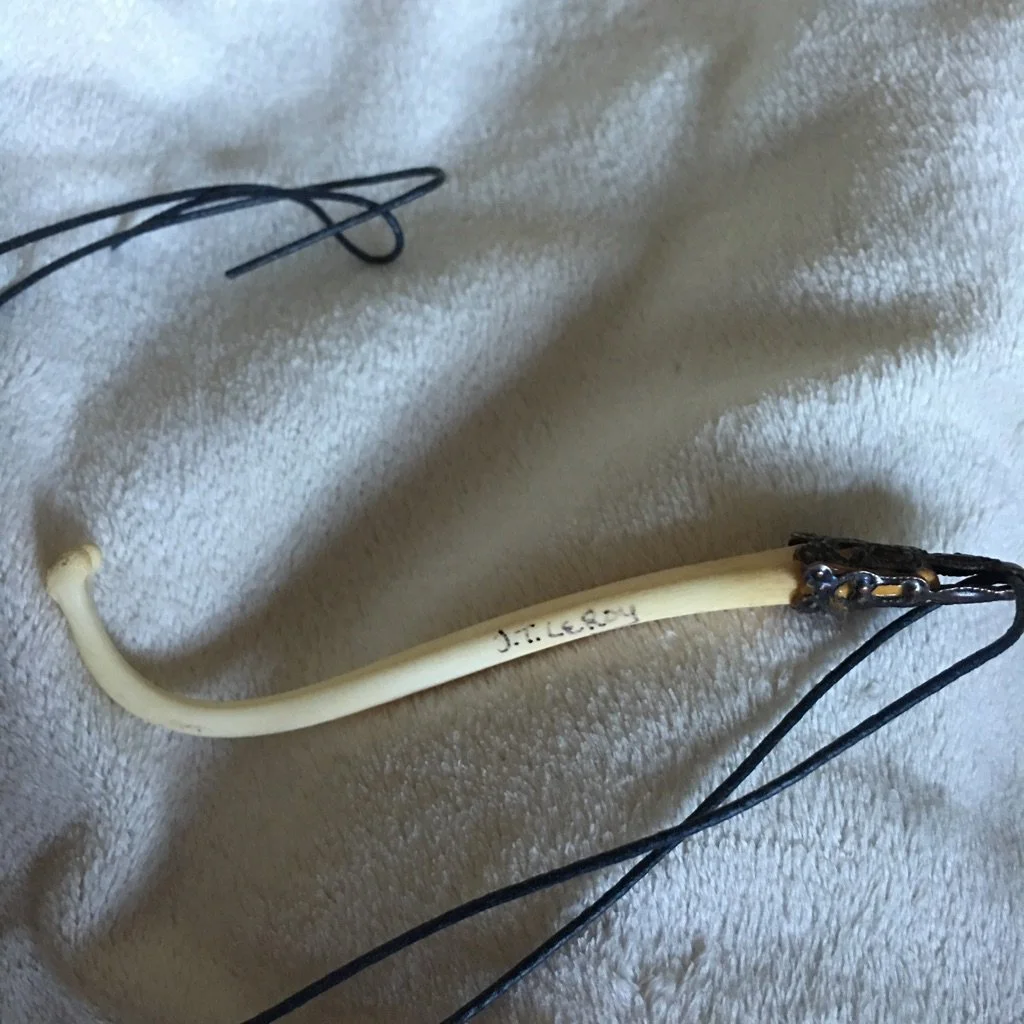
Signed coon dong bone necklace, J.T. LeRoy
So when the headlines next present some strange little relic from the margins as evidence of madness, the House recommends a pause. Sometimes what is being mocked is not nonsense at all, but folklore poorly translated.
Should you require assistance in matters of love, confidence, or favorable odds. The House suggests carrying something curious in your pocket. It need not be a coon dong bone.
But history suggests worse ideas have prevailed.
Bonus content for all of you betting in Kalshi and Polymarket:
According to the great catherine yronwode in Hoodoo Herb and Root Magic: A Materia Magica of African-American Conjure, one who is seeking good luck in gambling should wrap a twenty dollar bill around a baculum dressed with Hoyt’s Cologne and carry that in one’s pocket while at play.